Bastion Sakwowy
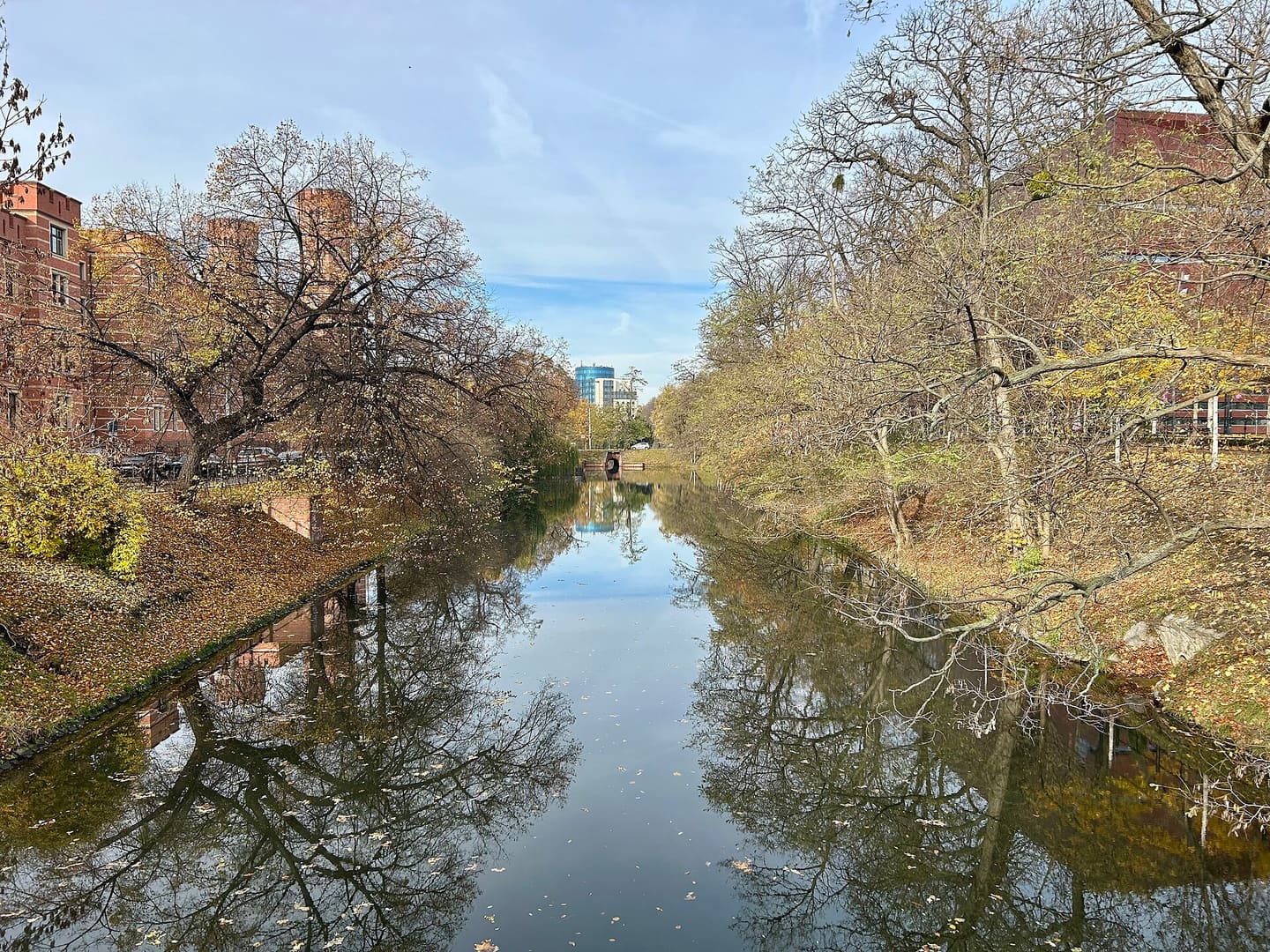
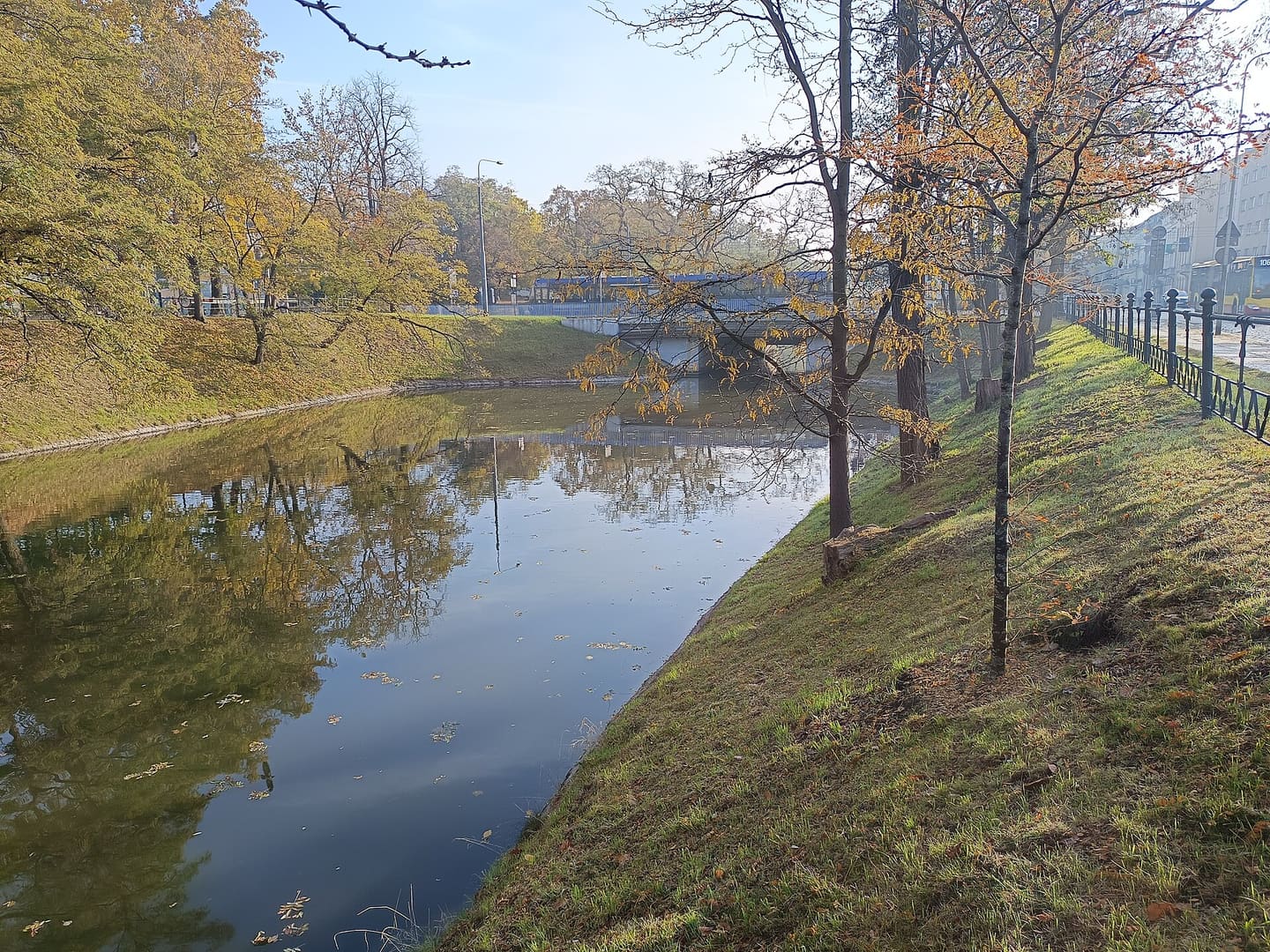
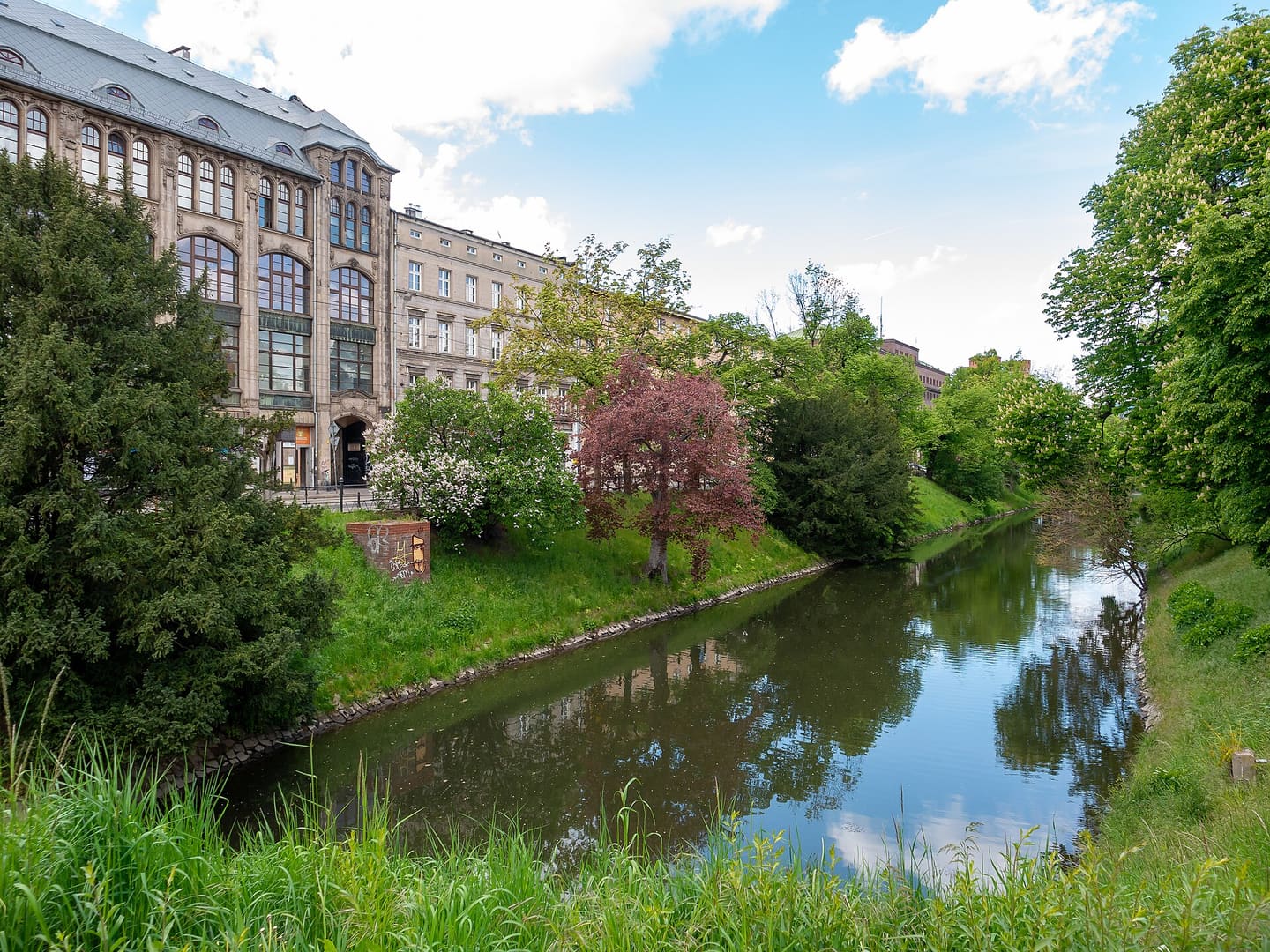
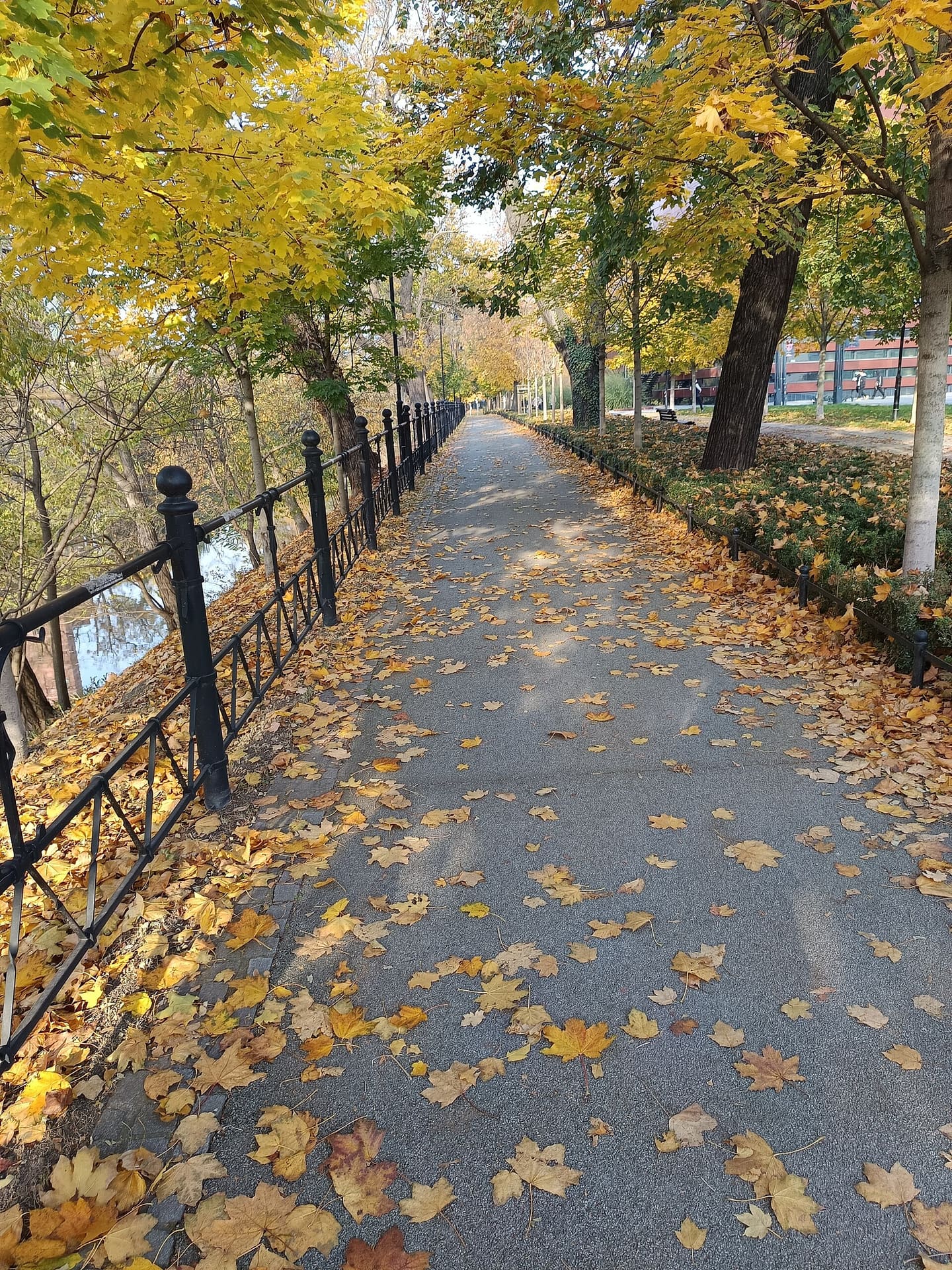
One of the old fortification bastions, made into a hill park with a colonnade and restored in 2024, on the Old Town Promenade beside the City Moat.
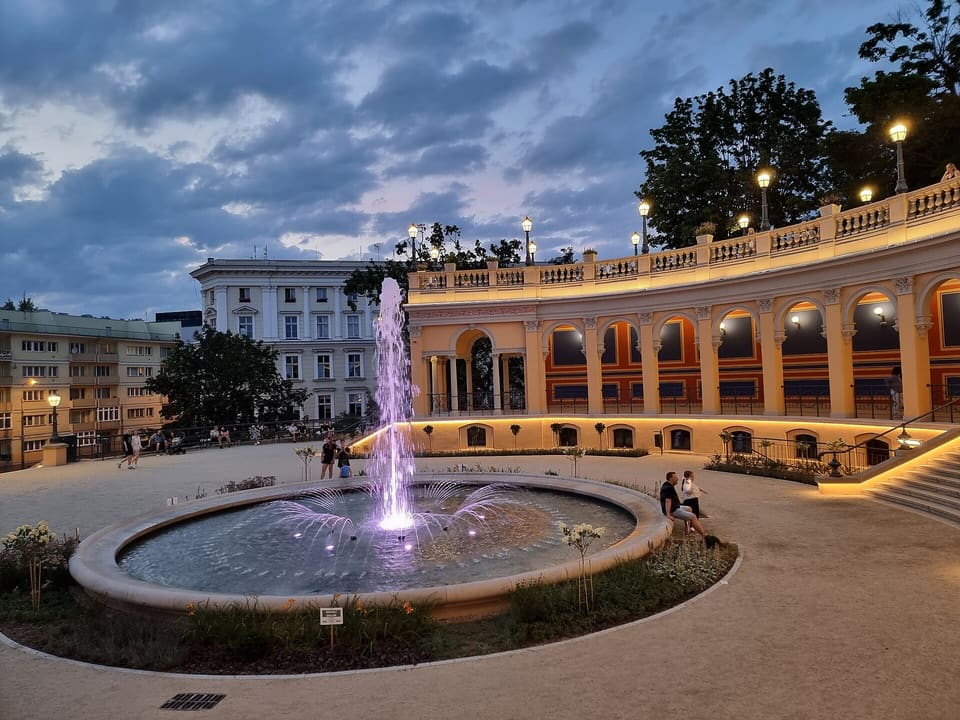
The bastion
When Wrocław's fortifications were taken down after 1807, some of the bastions were kept in the bends of the moat and made into viewing hills. The Bastion Sakwowy is one of them. In 1866–67 Adolf Liebich, a sugar magnate, paid for a neo-Renaissance pavilion, a fountain square, a colonnade and, on top of the hill, a gloriette, in memory of his brother Gustaw, whose name the hill took.
In 1945 the defenders of Festung Breslau blew up the gloriette because it was a landmark. After the war the hill was rebuilt, lost much of its character and was known as Wzgórze Partyzantów, the Partisans' Hill. It has been in the register of monuments since 1970.
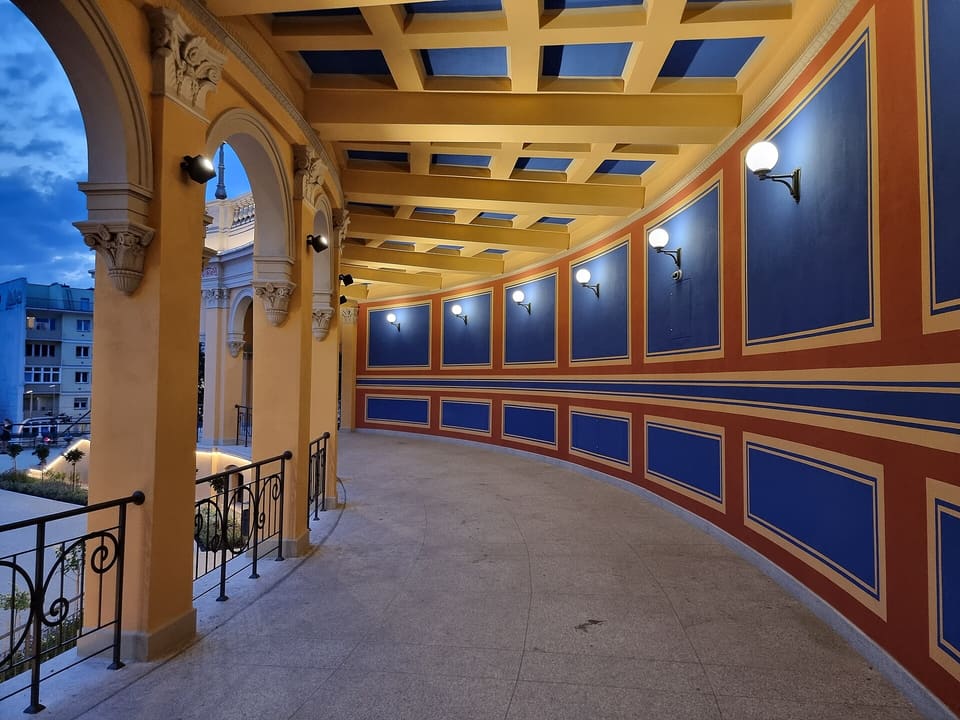
Restored
The pavilion, the colonnade and the fountain square were restored for about 30.5 million zł and opened on 8 June 2024, and the hill is the Bastion Sakwowy again. The gloriette has not been rebuilt; the city has not found the money. There is a café under the colonnade and a restaurant in the pavilion, and the hill is free and open round the clock.
The Old Town Promenade and the moat
The bastion stands on the Old Town Promenade (Promenada Staromiejska), the green belt that took the place of the fortifications along the City Moat (Fosa Miejska) and the Odra. The fortifications were dismantled after the peace of Tilsit in 1807 and the land became walks for the townspeople. Johann Friedrich Knorr, the city's building councillor, drew up the plan in 1812, and in 1813 the moat was given its present shape.
The whole historic centre of Wrocław has been a Pomnik Historii, a national monument of history, since 1994.